
Almost half of all Australian’s will experience a mental health problem during their lives. Mental health is important as it influences your feelings, emotions and behaviour in everyday life. It helps you be physically healthy, cope with stressors, build relationships, overcome challenges and realise your potential. In this blog post, we provide ways to look after your mental health.
Stay active and healthy.
When you exercise your body release endorphins, which helps you feel good, relieves stress and promotes better sleep. Studies have shown exercise can reduce symptoms of depression and anxiety. This doesn’t mean you have to go to the gym or do a hard-core work out. You could go for a walk outside, walk in the shops, dance or do yoga. Studies have also shown having good physical health promotes good mental health.
Talk to someone.
Whether it be a friend, family member or therapist, it helps to relieve stress talking to someone about your problems. Remember reaching out to someone is not a sign of weakness. You are not alone.
Form relationships.
Humans are naturally social creatures, which makes us desire connections with others. When we form these connections, our emotional needs are met. Therefore, it helps to surround yourself with a positive support network.
Engage in Self-care.
Find activities that bring you joy. This could be anything from reading, to watching a movie or tv show, taking a hot bath or shower, giving yourself a facial, walking, listening to or playing music, drawing, the list is endless. It is okay to take some time out for yourself, do not feel guilty.
Try Meditation.
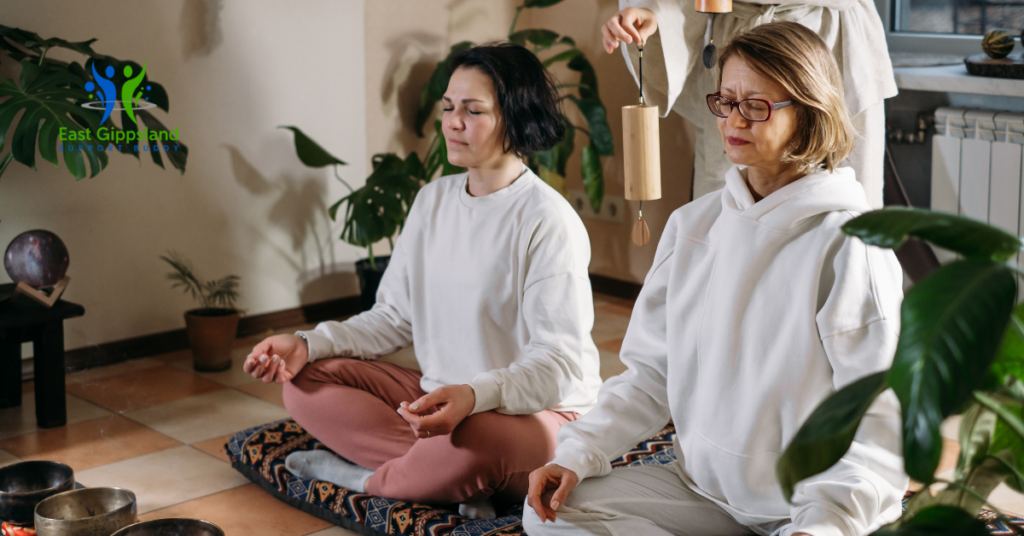
Meditation may not be for everyone, but studies have shown meditation can help reduce anxiety and stress. Even if you take 5 minutes out of your day to engage in deep breathing exercises, it can help improve your well-being. Or when you exercise you can practice mindfulness exercises where you focus on how your body feels.
Focus on your strengths.
Studies have shown focusing on your strengths can help you develop a sense of meaning and purpose in your life. Some examples of identifying your strengths include thinking about things you have achieved, asking a loved one what they think your strengths are, writing in a journal daily about activities you enjoy doing and why you enjoy them and thinking about what fulfills your needs and goals.

